Glycemic spike: what it is and how to manage it
for Baia Food en May 13, 2025
Tabla de contenidos
Have you ever felt very sleepy or hungry shortly after eating? You may have heard that this is due to glucose spikes, but… what is a glucose spike really, and why should you be concerned about it?
If you want to understand in a simple way how blood sugar affects your energy and well-being, this article is for you. Keep reading!
What is meant by a glucose spike
A glucose spike is a rapid rise in blood sugar (glucose) levels after eating, especially when you consume foods rich in simple carbohydrates such as sweets, soft drinks, or white bread.
When you eat this type of food, your body absorbs glucose very quickly, causing blood sugar to rise abruptly. In an attempt to balance it, the pancreas releases a large amount of insulin, a hormone that helps glucose enter the cells and thus lowers blood levels. But this drop can also be abrupt, which causes a feeling of tiredness, sudden hunger, or even irritability.
This phenomenon is what we know as glucose spikes, and they not only affect how you feel on a day-to-day basis, but over the long term they can also harm your health.
What are the symptoms of a glucose spike?
Among the most common glucose spike symptoms are:
-
Sleepiness or an energy slump after eating.
-
Hunger shortly after having eaten.
-
Headache.
-
Irritability or mood changes.
-
Anxiety or a strong craving for something sweet.
These rapid rises and drops in blood sugar can become a vicious cycle, making you feel the need to eat every short while and to seek out foods that worsen the situation.
How to control glucose spikes
If you are wondering how to avoid a glucose spike, the good news is that it is possible with small changes in your diet and daily habits. Here are some key tips to help keep your blood sugar stable:
1. Prioritize fiber-rich foods
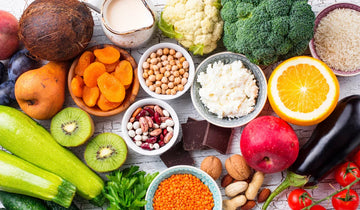
Fiber helps the absorption of sugars to be slower and more gradual. Include vegetables, whole fruits (better than juice), legumes, and whole grains in your diet.
2. Combine carbohydrates with proteins and healthy fats
If you pair carbohydrates with proteins (such as eggs, fish, or legumes) and healthy fats (avocado, olive oil, nuts), digestion will be slower and blood sugar will not rise abruptly.
3. Avoid ultra-processed foods and added sugars
Soft drinks, industrial pastries, and sugary snacks are the main culprits behind blood sugar spikes. Choose more natural, minimally processed alternatives.
4. Stay active after meals
A 10-15 minute walk after eating can help you reduce blood glucose levels naturally.
If you want to learn more about how to care for your health through nutrition, you can read our article on practical tips for taking care of gut health.
Some frequently asked questions about blood sugar spikes
What is a blood sugar spike?
It is a rapid rise in blood sugar levels after eating, especially foods with simple carbohydrates.
Why is it bad to have blood sugar spikes?
Because they can cause fatigue, persistent hunger and, in the long term, increase the risk of conditions such as type 2 diabetes or cardiovascular problems.
Which foods help prevent blood sugar spikes?
Foods rich in fiber, protein, and healthy fats, such as legumes, nuts, vegetables, and fish.
Now you know what a blood sugar spike is and how you can avoid it with simple, mindful habits. Keeping blood sugar levels stable is one of the best ways to care for your energy, your health, and your long-term well-being.